















Duck Life: Treasure Hunt
You hatch a scrawny duckling in Duck Life: Treasure Hunt, train it to run, swim and fly, and only then does the island open up with treasure waiting behind every obstacle. The game mixes the classic duck-training loop of the series with exploration, so every stat point your duck earns opens new paths toward hidden loot.
Training Your Duck in Duck Life: Treasure Hunt
Training works through minigames that raise specific stats. Running drills improve speed on land, swimming sessions build stamina in water, and flying exercises help your duck clear gaps and reach higher ground. Each session takes a short time, and steady practice turns a slow duckling into a capable explorer.
Food also matters. Feeding your duck boosts its energy for more training, and running out of energy in the middle of a session is the most common reason progress stalls on the first day.
Beginners often focus on one stat and then find a route blocked by water or cliffs. Balanced training opens more of the map, and many players rotate between minigames to keep progress even. Younger players love the cute duck and simple controls, while older fans of the series enjoy optimizing training routines.
Exploring the Island for Treasure
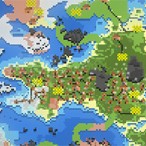
The treasure hunt adds a new layer to the classic formula. The island is divided into areas that require certain abilities, so a strong swimmer can reach underwater spots while a good flyer finds treasure on ledges.
Coins and treasure fund upgrades. You can spend them on food, hats and other items, and saving a little for better food usually pays off faster than buying cosmetics early.
Exploration rewards patience and curiosity. Areas you could not reach early become accessible later, which gives the island a satisfying sense of progression. That mix of raising a creature and exploring with it echoes the bond in Palworld, though here the stakes are much gentler.
Racing and Long-Term Goals in Duck Life: Treasure Hunt
Races are part of the series tradition. Competing against other ducks tests your training and gives rewards.
Some players feel the training minigames get repetitive. Variety in rewards helps keep things moving, and switching between running, swimming and flying drills every few rounds stops the routine from feeling like a grind.
Completionists aim to find every treasure and fully train their duck. The relaxed pace makes it a good game for short sessions, and fans of light simulation might also enjoy The Game of Life 2 for family play.
Duck Training Questions
- Which stat should you train first? A balance of running and swimming opens the early areas. Flying becomes important once cliffs and gaps appear.
- How do you get coins? Explore the island, find treasure and win races. Coins buy food and upgrades for your duck.
- Can you customize your duck? Yes, hats and other items let you change your duck's look as you collect coins.
Duck Life: Treasure Hunt turns a duckling into an adventurer, and the moment your well-trained duck finally swims, runs or flies to a treasure that was out of reach on day one is the payoff for every training session.