









A Kingdom for Keflings
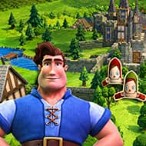
What does a kingdom look like when its ruler is a giant and every citizen is small enough to fit in one hand? A Kingdom for Keflings answers with a cheerful building sim where you stomp across the map, scoop up tiny villagers and drop them beside the trees, rocks and sheep they should be working on.
| Type of play | Relaxed kingdom builder with worker management |
|---|---|
| Who you are | A giant guiding the Keflings |
| Raw materials | Wood, stone, wool and crystals |
| Long-term aim | Turn a small village into a castle town |
| Company | Play alone or with a second giant on the same screen |
A Giant's Job in A Kingdom for Keflings
You are bigger than everyone else on the map, but the Keflings do the actual gathering. Carry one villager to a tree and it chops wood until you move it somewhere else, set another next to a rock and it starts cutting stone. Your own hands handle the rest: picking up raw materials, hauling them to workshops and putting finished parts where they belong.
That split between your work and theirs is the backbone of the whole session. A village with too few Keflings leaves the giant running errands all day.
New homes are the way out of that trap. Each house you finish brings more villagers into the kingdom, and every extra pair of tiny hands leaves the giant more time for planning. Anyone who has watched a crowd of pups take over the chores in Family Time knows the feeling of stepping back while a workforce you housed keeps the village humming.
Parts, Workshops and Blueprints
Buildings are not placed in one click. Each blueprint lists the pieces it needs, such as walls, roofs and doors, and those pieces come from workshops that turn raw wood or stone into components. You then fit the parts onto the plan one at a time, which feels a little like assembling a wooden toy set.
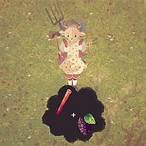
Wool and crystals open the more elaborate buildings later on. Sheep have to be sheared and the crystal source needs its own worker.
The common early mistake is building workshops far from the resources that feed them. Every long walk between the forest, the quarry and the workshop costs time, and the delay grows as blueprints get larger. Tidy planners keep raw materials, workshops and building sites close together and lay roads between them, while decorators fill the gaps with fences and flowers once production runs smoothly.
The Slow Middle of A Kingdom for Keflings
Players often mention that the middle of the game drags. Once the kingdom is large, carrying part after part from workshop to blueprint turns repetitive, and some wish the villagers took over deliveries as well as gathering.
A second player changes the pace noticeably. One giant can assign Keflings while the other carries parts.
The bright style hides more planning than people expect, and that surprise is part of its charm. For pure building without resource chains, Townscaper keeps only the creative side, while WorldBox hands you whole civilisations instead of a single village.
Kingdom Builder Questions
- Why is my kingdom growing so slowly? Usually there are too few Keflings and too much manual carrying. Building more houses brings more villagers, and assigning them to resources speeds everything up.
- Which buildings come first? Homes and the basic workshops that turn wood and stone into parts. Bigger blueprints cannot be finished until those workshops are running.
- Is it worth playing with a friend? Yes, a second giant can split the hauling and the assigning. The long building stretches in the middle feel much shorter that way.
A Kingdom for Keflings rewards a giant who learns to let the little villagers work, and the day the castle blueprint fills in while Keflings keep chopping, mining and shearing in the background is the payoff for every part you carried by hand.