
Farming Games
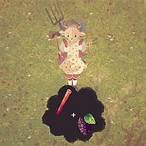
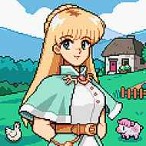
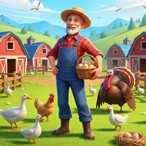

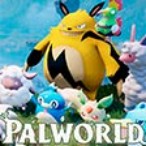
Farming Games are about the rhythm of planting, tending and harvesting, with animals, seasons and a growing homestead that rewards steady care. This page gathers games where crops, coops and gardens sit at the center of the day, from busy egg businesses to quiet gardens that grow in real time.
The Daily Loop Behind Farming Games
Almost every title here follows the same basic cycle. You prepare soil or pens, plant or feed, wait, and collect what grows. The money or materials you earn go into better tools, larger fields and new animals, and the loop starts again on a bigger scale.
That predictability is the appeal. Farming Games give you a clear plan for each morning and a visible result by evening, which makes them easy to pick up after a long day.
- Crops: seeds, watering and harvest timing.
- Animals: feeding, collecting eggs or milk, keeping them healthy.
- Seasons: what grows when, and what to prepare for winter.
- Upgrades: tools and buildings that save time.
Where to Start on This Shelf
Fields of Mistria is the classic choice for players who want a town, friendships and mines alongside the farm. Eggstreme Farming narrows the focus to birds, trays and licenses, turning a coop into a small business.
The Garden Path slows everything down, with plants that grow over real days and weeks. Palworld adds creatures that plant, water and harvest for you, so the farm becomes part of a larger base.
Each of these Farming Games handles time differently, which is worth considering before you start. Some reward long daily sessions, others prefer a short visit every morning.
Chickens, Food and the Wolf Family
Food production is also the backbone of the main title covered across Family Time Game. There, a father keeps chickens in fenced pens on hay floors, hunts pigs and sets up fishing rods so a growing litter of wolf children never goes hungry.
The same principles apply in classic Farming Games. A stable source beats a lucky hunt, breeding animals keeps supply steady, and planning tomorrow's meals today prevents a crisis. Our feeding guide covers how those systems work in detail.
Animals as the Second Half of the Farm
Crops alone rarely carry a homestead. Chickens, ducks, cows and pigs add daily chores, but they also add income that does not depend on the season. Eggs arrive every morning, milk every day, and a well-run pen can fund upgrades long after the fields have gone quiet for winter.
Animals bring their own rules. They need feed, water, space and sometimes medicine, and an unhappy animal produces less. In many Farming Games a pen with proper bedding and a steady food supply is worth more than another row of crops.
- Keep feed stocked before buying new animals.
- Check each pen on the same route every day.
- Separate sick animals or treat them quickly.
- Breed animals to replace losses instead of buying them all.
Breeding is the step many beginners skip. A rooster with hens, or a pair of pigs on the right bedding, keeps numbers stable without extra spending, and that steady supply is the same trick that keeps a large family fed in any game built around growth.
Mistakes New Farmers Make
Most early problems come from enthusiasm rather than bad luck. Planting too much, buying animals before buildings are ready and ignoring stamina are the usual suspects.
- Planting more than you can water in one morning.
- Buying animals without enough feed or space.
- Selling everything instead of keeping seeds for later.
- Skipping tool upgrades that would save hours.
Starting small and expanding each week is the safest path in Farming Games. A modest plot that is fully watered beats a huge field that dries out.
Calm Players and Efficiency Players
Two kinds of players tend to enjoy this shelf. Calm players decorate, chat with neighbors and let the seasons pass slowly. Efficiency players plan sprinkler layouts, calculate profits and race toward automation.
Both styles work, and the best Farming Games make room for each. You can spend one session optimizing a field and the next simply walking around admiring the flowers.
If you want even less pressure, the cozy shelf includes puzzles and building games with no schedule at all.
Seasons, Patience and Long-Term Goals
The longer you play, the more the calendar matters. Seasonal crops, festivals and weather shape what you can do, and planning across a whole year becomes part of the challenge.
Long-term goals keep the loop interesting: a full museum collection, a coop full of rare birds, a garden that blooms in every season. These targets turn daily chores into progress you can see, and they give a reason to log in even on days when the fields need nothing more than a quick watering.
A farm in Farming Games is never really finished, and that is part of the charm. Every season brings a new plan, every animal adds a new routine, and the satisfaction of a full harvest after weeks of care is what keeps people returning to this shelf.