
Survival Games


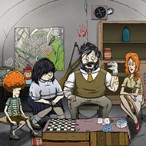



Survival Games test how long you can keep yourself, or the people who rely on you, alive when food runs short, nights get dangerous and every decision has a cost. This shelf brings together games where rationing, scavenging and staying one step ahead of a threat matter more than winning a fight.
The Pressure That Defines Survival Games
The common thread is scarcity. There is never quite enough food, water, fuel or time, and the challenge comes from deciding what to sacrifice. A good survival loop makes you plan ahead and still forces you to improvise when something goes wrong.
Threats come in many shapes. Some Survival Games use monsters in the dark, others use hunger and thirst, and some simply use a clock that never stops. The best ones combine several so you can never focus on just one problem.
Players who enjoy tension tend to love Survival Games. Every run feels personal because the mistakes are your own, and every small success, such as one more night survived or one more meal shared, feels earned.
Survival That Starts With a Family
Many games here put other characters in your care. In 60 Seconds! you grab family members and supplies before the bomb falls, then decide each day who eats Tomato Soup and who goes without. In 99 Nights in the Forest a group keeps a campfire burning while searching for four missing children.
That responsibility for others is the same idea behind the wolf-family colony sim covered across Family Time Game. The father there does not face monsters so much as a demanding partner, and our page on the Wolf Mama explains why her rules make every night a test.
Caring for a group changes how you play. You think less about your own health bar and more about who needs what tomorrow, which is a different and often more emotional kind of pressure.
Base Building and Long-Term Survival
Some Survival Games grow from a single campfire into a full base. Palworld starts with a few tools on a strange island and ends with a busy settlement guarded by creatures that farm, mine and fight. Building walls, farms and beds becomes as important as exploring.
This style of Survival Games rewards patient players who like to plan. A secure base means safer expeditions, and safer expeditions bring back the materials for a bigger base.
- Shelter first: a safe place to sleep prevents most early deaths.
- Food second: a steady supply beats occasional lucky finds.
- Light and warmth: many threats only appear in darkness or cold.
- Expeditions last: explore once the home base can run without you.
Quick Runs for Short Breaks
Not every survival challenge needs hours. Crossy Road turns survival into seconds of hopping across traffic and rivers, where hesitation brings an eagle down on your head.
Short runs suit players who want the thrill without the commitment. A minute of play still delivers the same feeling of narrowly escaping disaster, and restarting takes no time at all.
These quicker Survival Games are also a good introduction for younger players who are not ready for long shelter management or dark forests.
Lessons That Keep You Alive Longer
Across the whole shelf, a handful of habits make a big difference. They apply in every game, whether you are rationing soup, guarding a campfire or dodging trucks.
- Never spend every resource on one need.
- Prepare for the night before it arrives.
- Keep at least one backup source of food and water.
- Do not send your strongest member away when danger is near.
- Learn from each failed run instead of repeating the same plan.
Survival Games are rarely won on the first attempt, and that is part of the design. Each failure teaches something about timing, priorities or the threat itself.
Solo Grit or Shared Struggle
Some players prefer surviving alone, where every decision is theirs. Others enjoy co-op, where friends split chores like gathering wood, cooking and keeping watch.
Co-op can make the hardest nights manageable, but it also adds chaos when someone wanders off. Solo play is quieter and more tense. Both styles appear among the Survival Games here, so you can pick the experience that fits your mood.
If you want management without the constant danger, the colony sim shelf keeps the planning and drops most of the threats.
Why Players Keep Coming Back
The appeal of survival is the story each run creates, and the best game sessions are the ones you retell afterwards. You remember the night the fire almost went out, the expedition that came back empty, or the moment the last can of food saved the family.
Those stories are why these titles have such loyal fans, who trade tales of near misses and impossible comebacks long after the session is over. No two runs of Survival Games are identical, and the next attempt always feels like it could be the one where everything finally goes right. Pick a challenge from this shelf, plan carefully and see how long you can last before the next run ends.